Time
With the advent of the railway time changed, where once there was accepted local variation in time it is now expected that everyone operates on railways time or Greenwich mean time. All Gentlemen are expected to have a watch, even the lower classes will strive for one. Public clocks are littered through out London. In some areas the time can be marked by the shriek of factory whistles for shift changes.
Electricity
Used in experiments
Used in public entertainment - arc lamps - static electricity
Experimental lighting – Electric arc lamps had been demonstrated in London as early as the 1840s, but they were impractical for wide use. In the present day arc lamps are sometimes used for public displays, exhibitions, or lighting large outdoor areas for special events.
Telegraphy – This is the most important and widespread use of electricity in 1870. London was the hub of a vast web of telegraph lines, both domestic and international. The General Post Office controls much of the system after the state takeover of telegraphs in 1870. Submarine cables connected Britain to Europe, India, and beyond.
The Battery Leclanché Cell (1866, Georges Leclanché)
- Manganese dioxide and zinc electrodes, ammonium chloride electrolyte.
- Cleaner, easier to maintain than earlier batteries.
- Still relatively new, but catching on for domestic bells and signalling systems
- Precursor to the “dry cell” of the 1880s.
Uses of Batteries
- Telegraphs: Daniell cells ran the city’s communications. A big telegraph office might keep hundreds of cells maintained by battery boys.
- Servants’ Bells: Wealthy London houses were starting to install electric bells — small Leclanché cells were ideal.
- Medicine & Quackery: Electrical therapy devices used batteries to “stimulate” nerves or cure ailments.
- Laboratories: Universities and private experimenters used Grove or Bunsen cells for high-voltage demonstrations.
- Arc Lamps: Experimental public displays (e.g., lighting railway stations or exhibitions) sometimes used large battery banks.
Gas
Dominant source of light - dominant and powerful gas companies
Gaslight everywhere – Streets, theatres, homes, shops were almost entirely lit by gas.
Grease / oil lights
Old fashioned form of lighting for those out of town or poor.
Hospitals
Hospitals began adopting antiseptic practices following Joseph Lister's promotion of germ theory (1860s).
Carbolic acid
A new invention spreading quickly through the medical profession. Applying carbolic acid to sterilize surgical instruments and wounds, greatly reducing post-surgical infections. This discovery is a major breakthrough in medicine, improving surgical success rates and forming the basis of antiseptic techniques in hospitals.
Chloroform
About since the 50's slow uptake, more powerful than other options and with greater risk. People very hesitant maybe one or two surgeons in London use it.
Nitrous Oxide (Laughing gas)
A gas commonly used as a painkiller and party gas of the upper classes, currently going out of fashion.
Opium
While its sale was not entirely illegal, its recreational use and unregulated trade created a thriving black market. Opium dens, particularly associated with Chinatown in the East End are infamous. Organized groups often smuggle opium into the city, especially from British colonies like India and China, bypassing customs duties.
laudanum,
a mixture of opium and alcohol used as a pain reliever and sedative. Laudanum was widely available and was used to treat various ailments, including coughs, diarrhea, and insomnia. However, its addictive properties led to widespread misuse and addiction among some segments of the population.
Opium dens,
establishments where individuals can purchase and consume opium for recreational purposes, are present in London. These dens, often located in the city's poorer neighborhoods, catered to opium smokers and provided a social environment for individuals to gather and indulge in the drug.
Guns
Colt Single action Army revolver
Smith and Wesson Model 3 revolver
1866 Winchester lever action rifle
Double barrelled shotguns
Cheap end of the market budget muzzle loading rifles and shotguns.
Explosives
Gunpowder is the main explosive by mining and the military. Some mines will use Nitro-glycerine. The military has been cautious in adopting new explosives
Nitro-glycerine
- Discovered in 1846
- Powerful but highly unstable (heat, shock, or even handling could set it off)
Gun-cotton (Nitrocellulose)
- Discovered in 1846
- Early production was dangerous (many factory explosions).
- In the present day safer methods are being developed, and it is starting to see use in blasting.
- It is more powerful than gunpowder,
Dynamite
- Discovered in 1867 by Alfred Nobel.
- The “new wonder explosive". Nitro-glycerine absorbed into a porous material (diatomaceous earth, “kieselguhr”) making it safer to handle.
- Very hard to get hold of, has been used in some Welsh tunnelling, under review for the military by the East India Company.
Tools
Hand tools are of yesteryear in the modern era the Lathe, the milling machine and the press are used for mass production at a level of accuracy unimagined in the past.
Transport
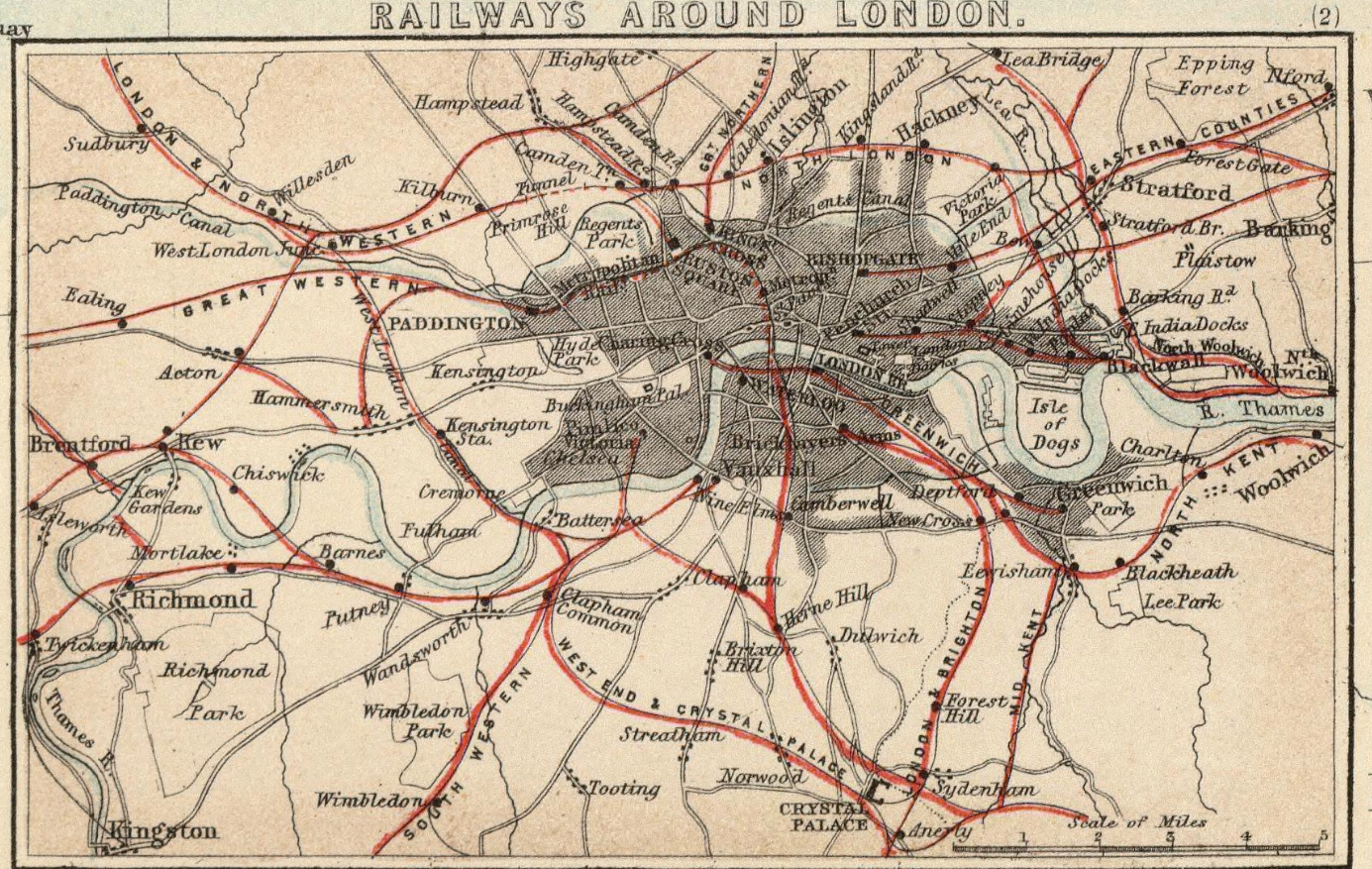
Trains
The world runs on trains, London has doubled in population in the last 10 years thanks to the train system.
All trains have carriages and waiting rooms of different types
- First class Padded upholstered seats, Semi private rooms, Curtains on windows, More space per passenger.
- Second class Wooden seats with some padding or armrests open plan.
- Third class Bare wooden benches, Over crowded, not cleaned in service.
London Underground
Trains are powered by steam engines. The use of steam locomotives results in smoke, soot, and fumes in the underground tunnels, leading to less than ideal conditions for passengers and staff.
Presently there are three lines that are not interconnected. Railway points manually handled no switched booths.
Presently large works are ongoing to create a full London circle line
The Metropolitan Railway, (Opened 1870)
Ran from Paddington to Farringdon via Baker Street, Euston, and King's Cross.
District Railway (Opened 1868, Later Part of the Circle Line)
Ran from South Kensington to Westminster to Blackfriars.
Thames Tunnel Railway (Tower Subway)
A pioneering underground tunnel under the River Thames
Horse Carriages
Common taxis some in private hands about 50,000 horses in London, lots of poo.
Shipping
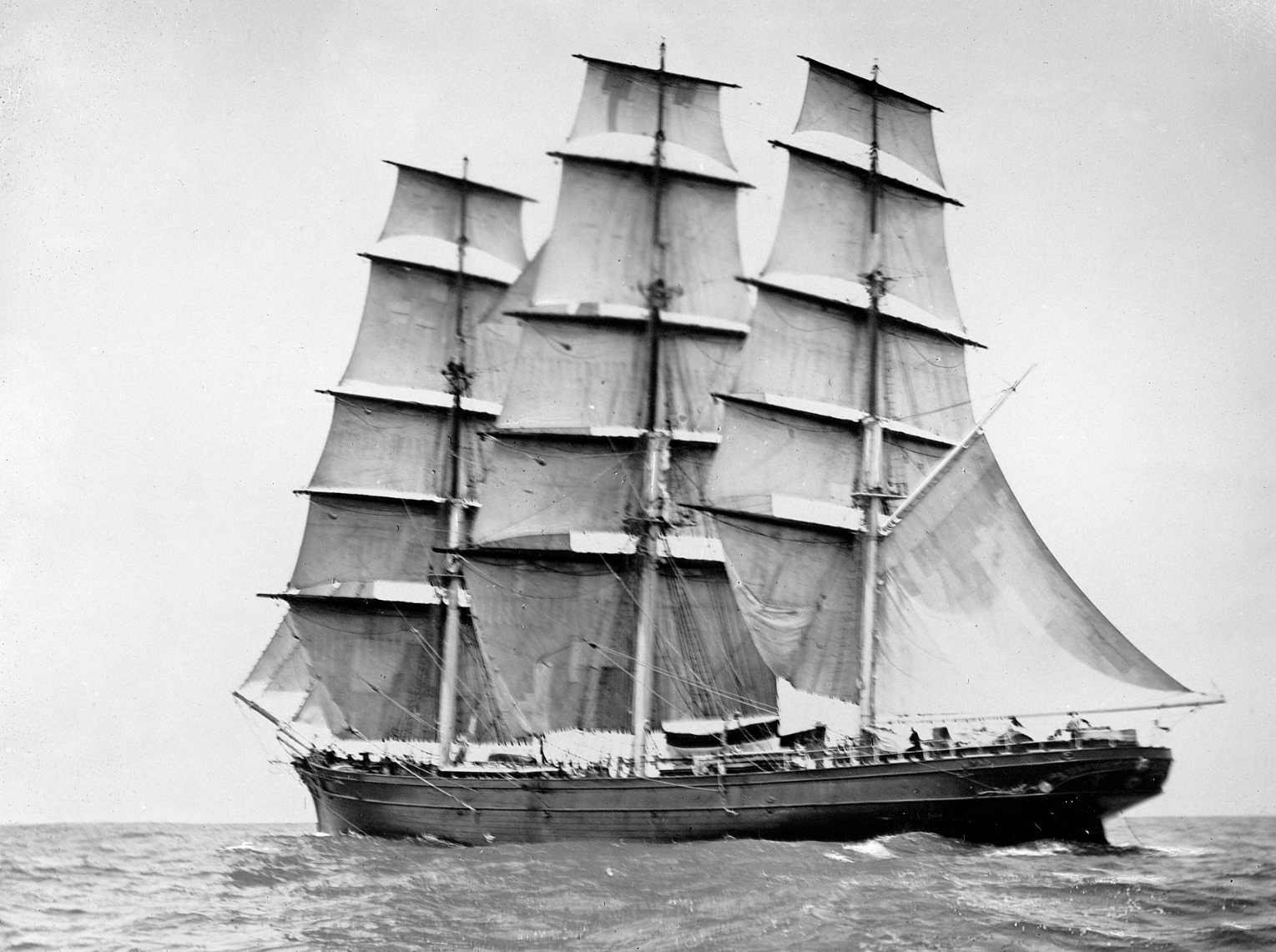
At the end of the age of sail, the clippers still exist but are being retired or repurposed as opportunity arises.
Current military ships are iron hulled with terrets and with out sails.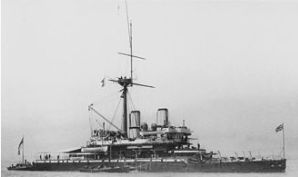
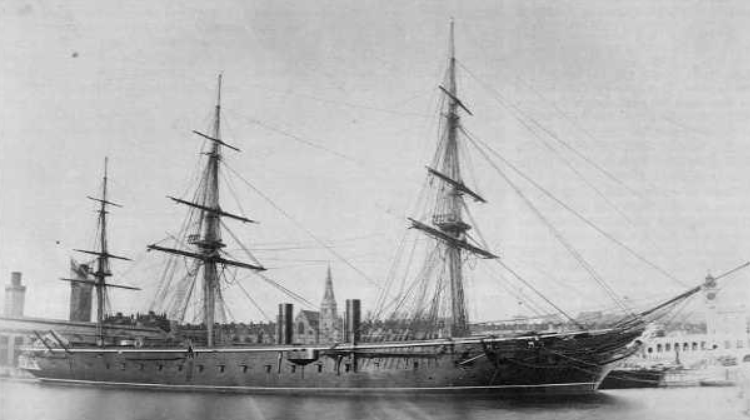
For the last 10 years ships are iron hulled with Cannon and with sails much like the HMS Warrior bellow.
Wooden man of war sailing ships are still in service and clippers make up the majority of any high speed commercial shipping.
Steam boats on the Thames.
The Thames is a very busy waterway often severely congested
At has been known that it gets so busy you can step from boat to boat to cross the Thames.
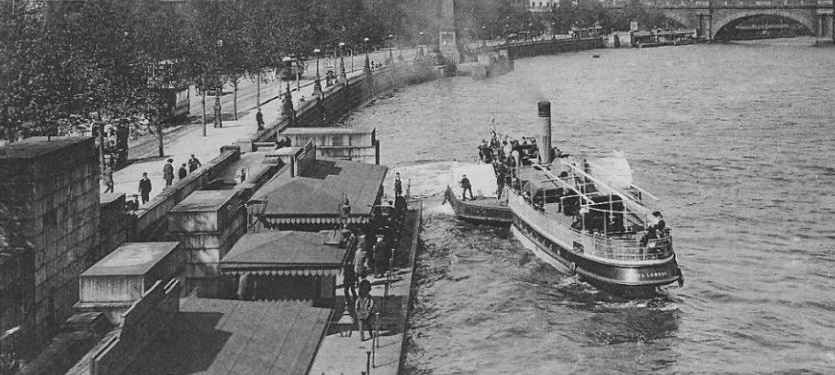
- Passenger Steamers:
- Paddle steamers and screw steamers run daily between central London, Greenwich, Woolwich, Gravesend, and Margate.
- Pleasure trips upriver to Kew, Richmond, Hampton Court are popular for the middle classes.
- Companies like the London Steamboat Company (founded 1836) run regular services.
- Workaday Steam Traffic:
- Steam tugs tow sailing barges and lighters up and downriver, replacing horse towpaths.
- Cargo steamers run between London docks and coastal ports.
- Coal barges make up about half of all upriver traffic.
- Thames Steamboat Services:
- There are regular steamer "omnibus" services along the river.
Diving suits
Your classic Copper helmeted sink to the bottom suits, needs air pumps at the surface. London is the world leaders in production of said suits. In use by the Royal Navy, Dockyards and Salvage firms. Typically in use up to depths of 90yards.
Parachutes
The parachutes of this era are large, cumbersome silk canopies, often packed in wicker or leather containers strapped to the wearer’s back. They deploy via a static line attached to the balloon or airship, automatically unfurling when the user jumps. Harnesses are still rudimentary, typically consisting of thick leather straps and buckles, making for a rough but functional descent.
Photography
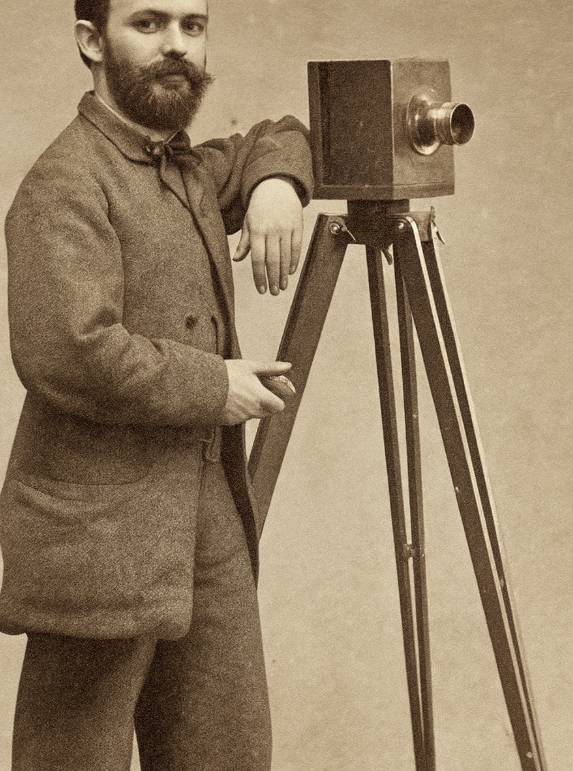
Large 5kg cameras with gunpowder flashes, black and white / grey scale.
Dangerous chemicals, often explosive.
Thriving pornographic industry
photography was primarily practiced using wet plate collodion or albumen processes, which required photographers to coat glass plates with light-sensitive chemicals just before exposure. This process produced high-quality images but required photographers to work quickly and carry portable darkrooms for on-location shoots.
Forensic medicine
Autopsy Techniques: Autopsies, or post-mortem examinations, were an essential component of forensic medicine in the 1870s. Medical examiners would conduct detailed examinations of deceased individuals to determine the cause and manner of death. While autopsy techniques were becoming more standardized, there was still variation in practices between different practitioners and jurisdictions.
Toxicology: The identification and analysis of poisons and toxic substances played a crucial role in forensic investigations in the 1870s. Toxicological testing methods were advancing, allowing medical examiners to detect and quantify the presence of various toxins in bodily tissues and fluids. However, these methods were often rudimentary compared to modern analytical techniques.
Telegraph
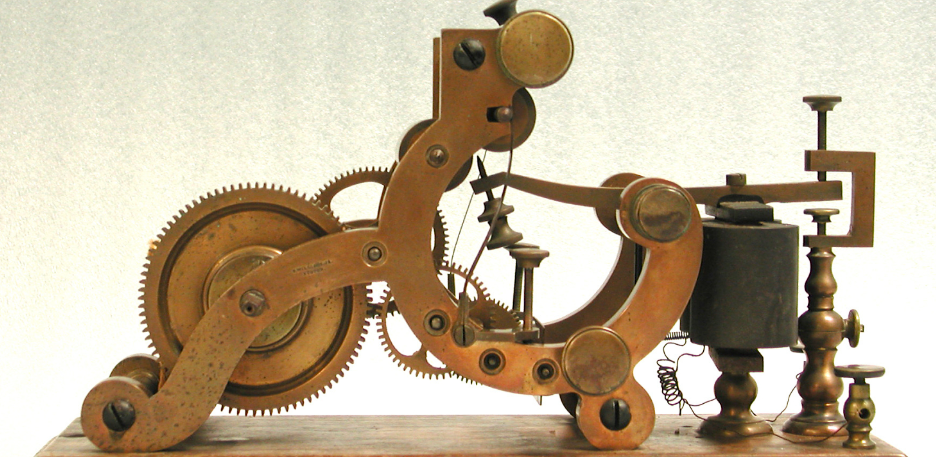
London was extensively connected by telegraph lines, and telegraph offices were established in numerous urban centres and important communication hubs. Additionally, telegraph lines were often laid alongside railway lines, further expanding the reach of telegraphic communication. Overall, the telegraph had become an indispensable tool for long-distance communication by 1870.
All private telegraph companies were nationalised in 1870 and brought under the post office, meaning all public telegraph stations were at major post office locations.
Transatlantic Telegraph Cable (1866)
Although the first attempt in 1858 failed, a successful transatlantic telegraph cable was completed in 1866, connecting Ireland to Newfoundland. This allowed instant communication between the UK and North America, revolutionizing international business, journalism, and diplomacy.
Sewing machines
A huge boon for factory production that is well established. For the last few years they have been available for home use and now they a found in most middle class homes.
Type writers
An exceptionally rare import that has gained little acceptance of use as it is slower than the pen in every case.
Mass media
Steam powered printing presses have lead to a abundance of the printed word. Newspapers are cheap and fiction is no longer a luxury for the rich with penny dreadful tales available on any busy street corner. Journalist integrity is still a concept only really taking root in a few papers a present.
Ballooning
Ballooning, the art and science of flight using hot air or gas-filled balloons, first arrived in the UK in the late 18th century 1784, shortly after its invention in France. By 1870, ballooning had developed as both a scientific endeavour and a form of entertainment, although it remains somewhat a toy of the rich.
Water systems
House hold water
Several companies compete to pump fresh water into house holds. Handling by a series of pumping stations, sand filter stations and stored in reservoirs and water towers. Pumped water is generally for the middle class and higher and might only be available certain times of the day.
Common people would have access to a local well(free). In some parishes a public tap or street pump would be present to meet their water needs at a reasonable cost. Businesses needing large amounts of water would normally have it delivered.
Bathrooms
Flushing toilets are the domain of the middle class with a new or renovated home. Expensive and requires you to live in a wealthy area with private access to the new sewerage system.
Non flushing indoor toilets are also about but the lower classes have access to shared outhouse convenances. These of course need to be periodically emptied by the nightsoil men.
Public toilets are a new social experiment that looks like a success at this time, entirely for men at the cost of a penny making it very expensive for the lower classes.
Sewer system
After the great stink of 1858 London has stopped dumping all sewerage into the Thames. Half of London is currently under a system of underground pipes and waterways transporting all the waste far out of London. Massive steam pumping machines and a sewerage network are still under construction in some areas.
Ice
Presently ice is imported year round mainly from Norway on ships packed in sawdust. Ice is stored in cold warehouses or Ice Houses all year around. Ice is then distributed by Iceman in horse drawn carts to hospitals, food stores, hotels, clubs, Upper and middle class homes.
Ice is not the luxury in drinks that it once was many middle class homes have a icebox/ chest for keeping food fresh.