Upper and higher Ladies
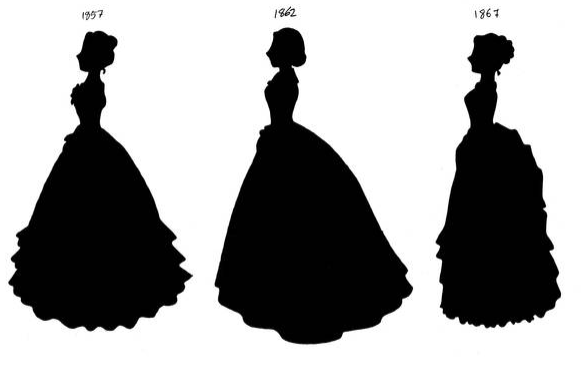
The volume of the skirt had begun to swing backwards, a departure from the circular skirts of the mid-century. This trend became fully realized in the 1870s, with the focus of clothing concentrated at the back, as skirts projected backwards and fell flat against the body in the front.
Dresses generally follow the nineteenth-century customs delineating morning, afternoon, and evening wear. The chief differences are in the cut of the neckline and the length of sleeves.
All your dresses are silk and the finest adornments tailored to your exact measurements.
Gloves are a requirement.
Accessories were umbrellas and canes
Ornate hats expected which could include flowers, feathers and taxidermy birds.
Corsets and bustles were of course a requirement
Corsets could add AC 1 to the covered area and would impose a 1 black dice penalty to anything involving movement or athleticism when worn.
Long skirts and bustles would also add an additional black dice penalty to movement and would restrict what lady could carry as she is raising her skirts.
It takes at least one ladies maid to dress or change due to the nature of all ties being inaccessible for the wearer
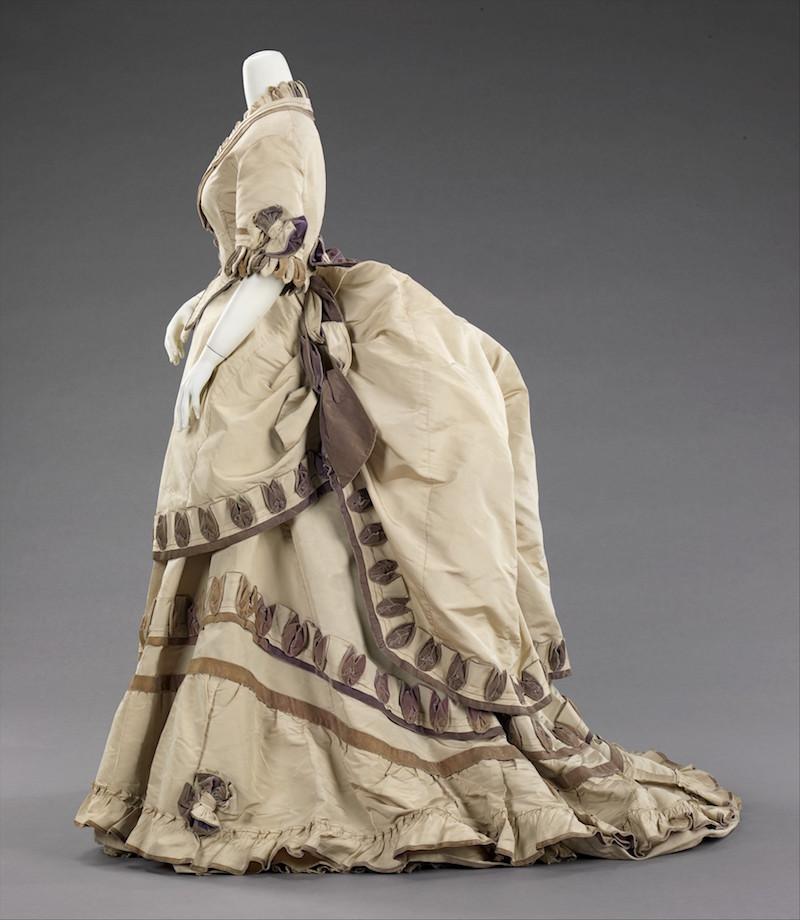
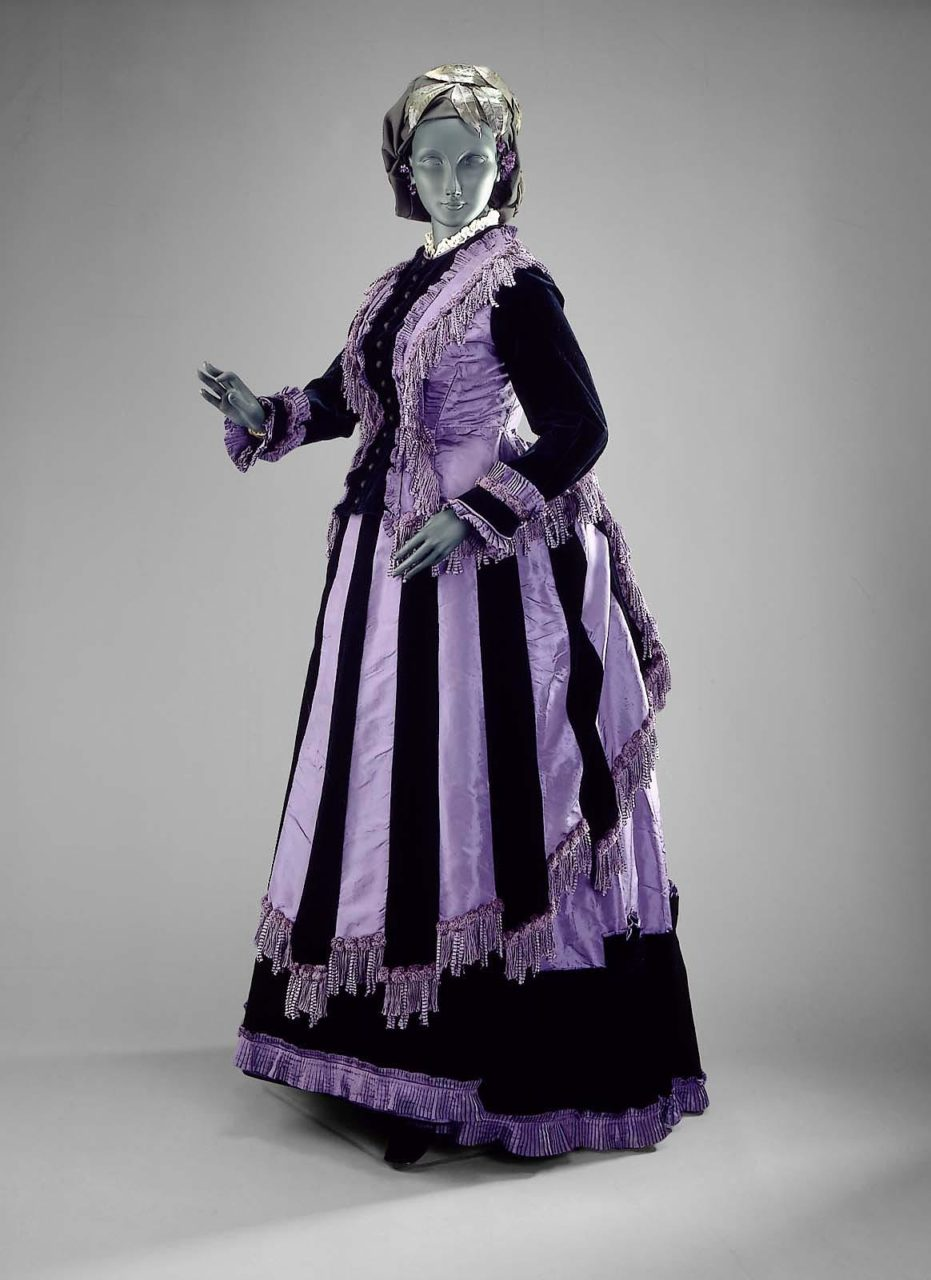
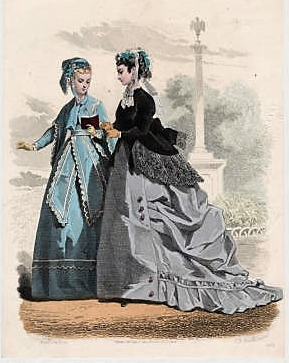
Afternoon or walking dress
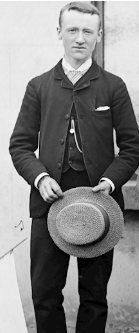
Upper and higher Mens
Marked by sobriety and understated style. The overall silhouette slim. Shirts are plain, no longer pleated and heavily starched, which only underscores the crisp, clean line. Men crop their hair shorter than earlier years, and wore it neatly parted. A clean-shaven face is rare and considered unmanly ; full “muttonchop” whiskers or trim moustaches are the mode.
Silk and wool are the materials of a gentleman with the exception of white cotton shirts collars and cuffs. Everything is tailored to your exact measurements.
Accessory canes are ubiquitous
A gentleman wopuld be expected to have a morning suit, business or day suit and formal evening wear. Hunting, walking and riding gear would also would be considered important.
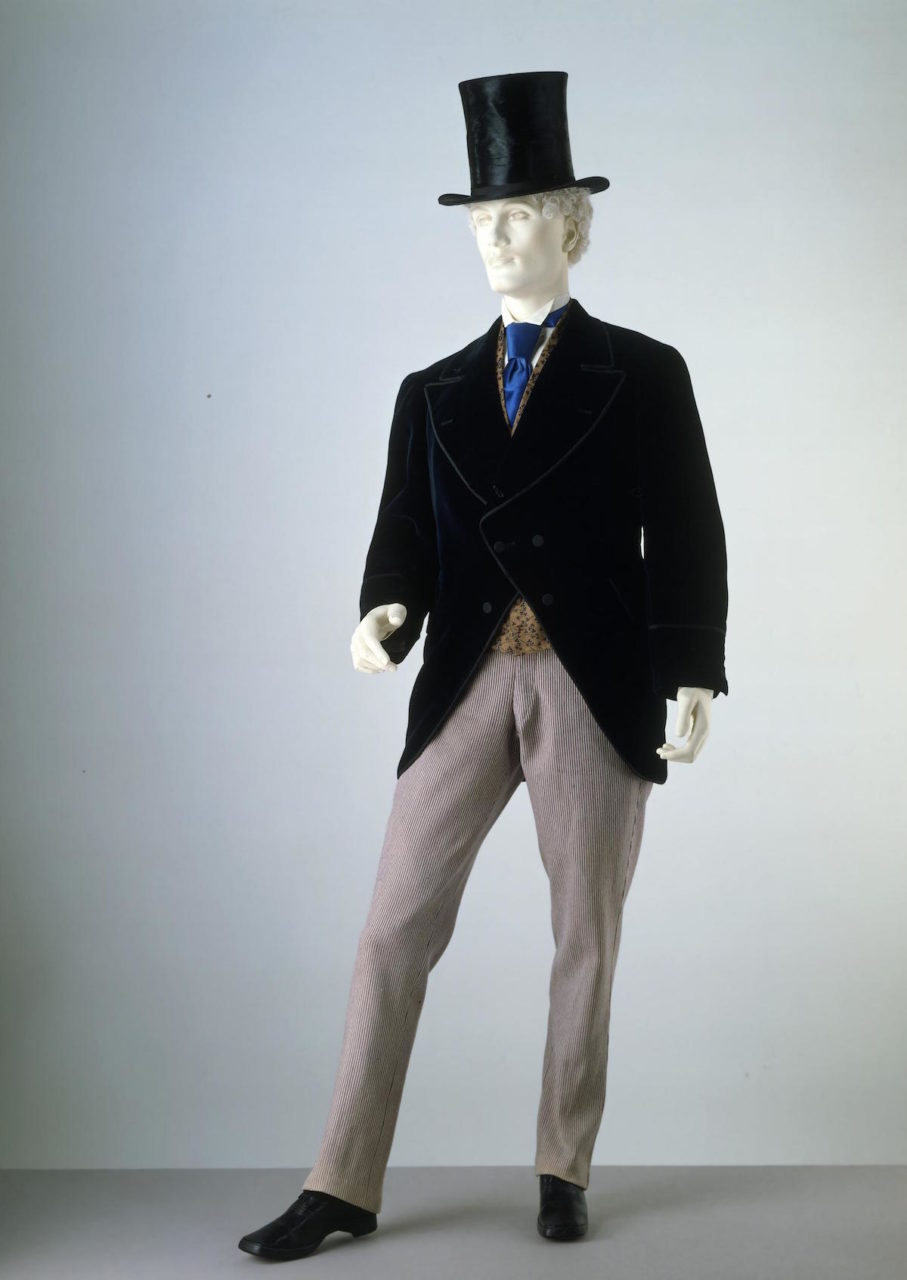
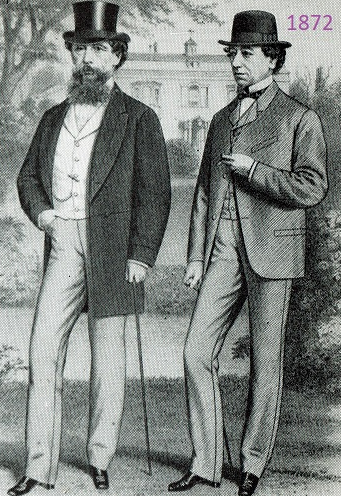
Day suit.
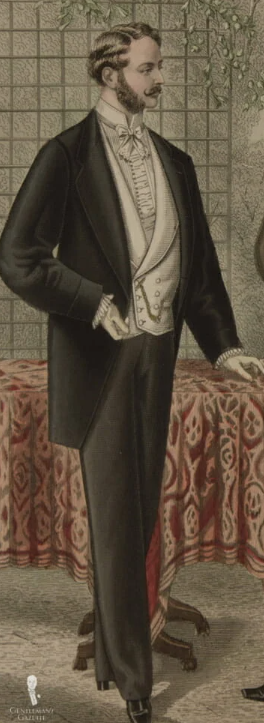
Evening Attire
Middle class Women
Often emulating the fashion of the Upper classes but often more practical for everyday use. You might have two set of clothes a year, every day and a Sunday best the more affluent might sport a house dress, a tea dress and a evening gown. Your clothes are a mix of cotton wool and silk made by yourself or altered to fit you.
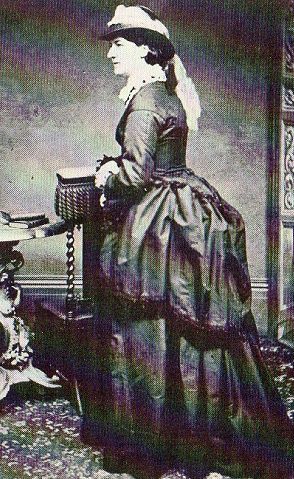
Middle class men
Again emulating the upper classes but often with a more practical cut. A set of clothes for Sunday and a set for the rest of the week.
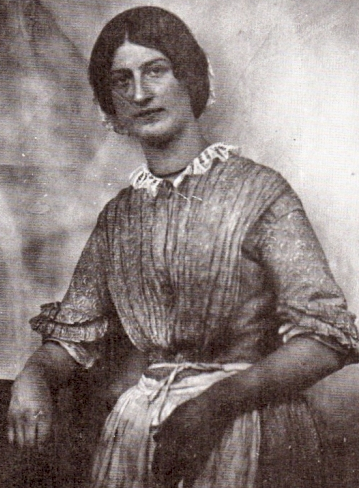
Lower Women
Corset or binder, simple petticoats, corset cover, blouse and skirt expected. One set of clothes for all occasions, often second hand carefully patched and repaired. Maids notable for their higher quality clothing provided by their employer. Dresses are generally cotton.
Some working women in the mines are accepted to wear trousers and aprons
Scullery Maid
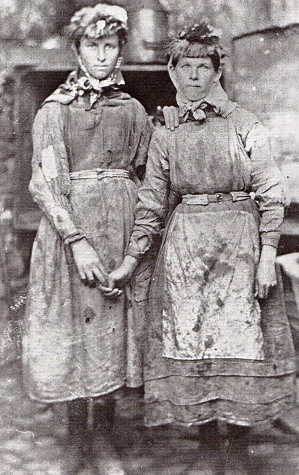
Factory workers.
Lower men
Cotton Trousers, shirt, jacket and leather boots maybe a waistcoat. Just one set of clothes for all occasions. You might wear your Jacket inside out to keep it clean for Sunday best.
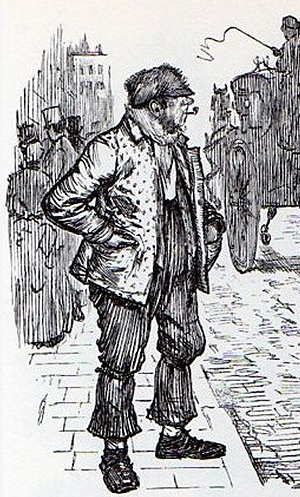
Dock worker
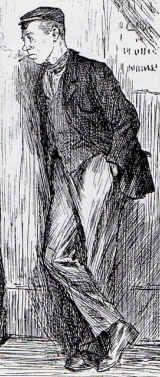
Costermonger